
Pet shops have a natural advantage when it comes to customer retention: many of the products they sell need to be purchased repeatedly. Pet food runs out, treats need replacing, litter is replenished and pet owners regularly return for grooming products, toys and accessories.
A well-designed pet shop loyalty program turns these recurring needs into a structured customer relationship. Instead of relying only on discounts, the store can reward repeat purchases, create progress toward meaningful benefits and stay connected with customers between visits.
The key is to make the program easy to understand and relevant to the way customers already shop. If you are new to the concept, start with the fundamentals of customer loyalty programs before choosing the reward model for your pet shop.
What makes a good pet shop loyalty program?
A good pet shop loyalty program focuses on purchases customers naturally make again, such as pet food, treats and everyday supplies. The reward should be simple to understand, achievable within a reasonable number of visits and valuable enough to give customers a reason to return.
Why customer loyalty matters for pet shops
Pet retail is different from many occasional-purchase businesses. A customer buying dog food today may need another bag in several weeks. A cat owner may regularly purchase litter, treats and wet food. Other customers return for supplements, toys, grooming products or seasonal accessories.
That makes the next purchase especially important. A loyalty program gives customers a visible reason to choose the same store when that next need appears.
The goal should not simply be to reward spending. A stronger program creates a cycle: the customer buys something they need, makes progress toward a benefit and has a clear incentive to continue that relationship on a future visit. This is one of the broader benefits of loyalty programs for businesses built around repeat purchases.
1. Use digital stamp cards for frequently purchased products
A stamp card is one of the easiest loyalty models for customers to understand. It works particularly well when your pet shop has products or purchase behaviors that occur repeatedly.
For example, a store could create a campaign around recurring purchases of a particular product category. Customers collect stamps as they make qualifying purchases and receive a defined reward after completing the card.
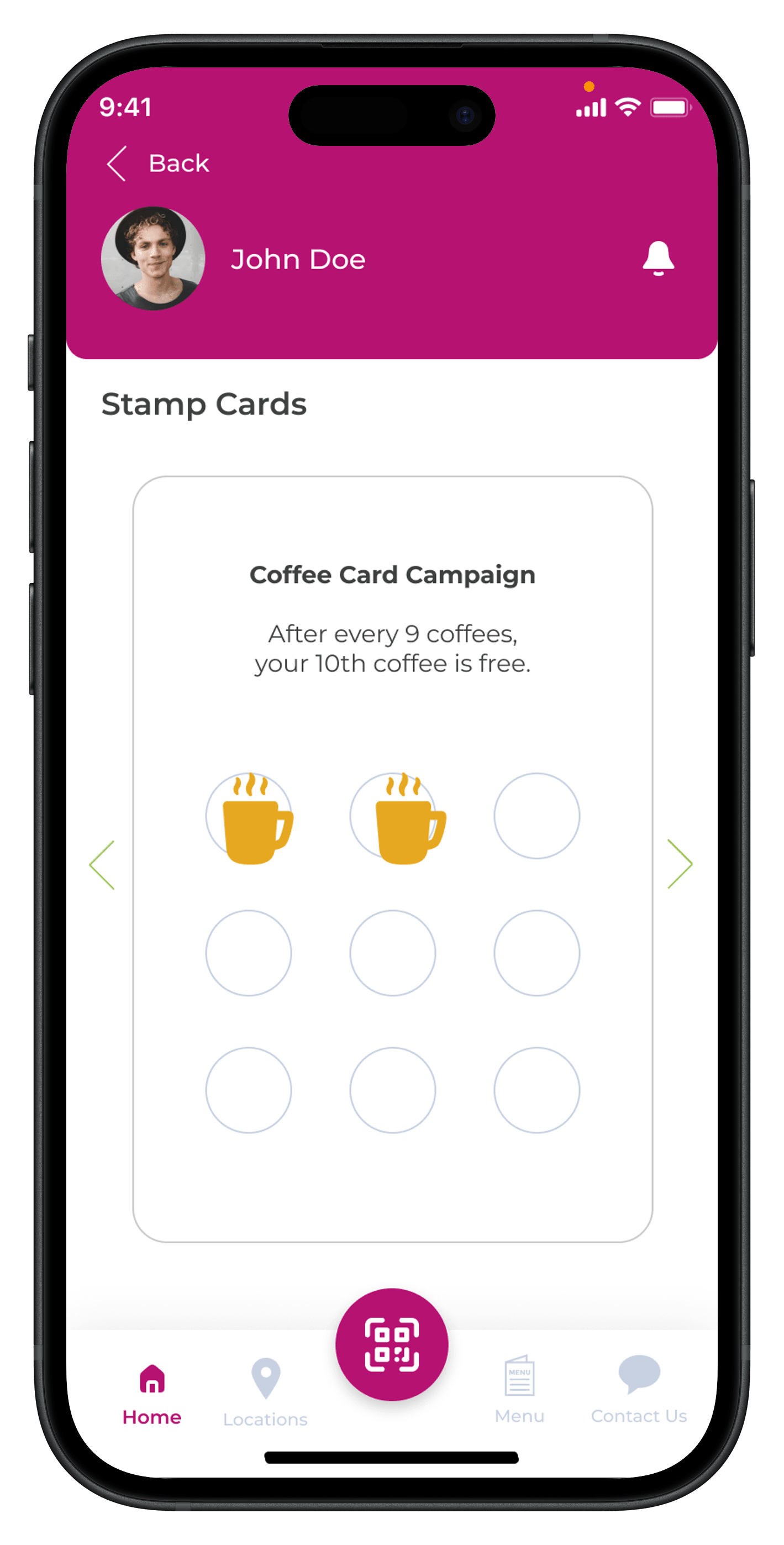
With Letstamp digital stamp cards , businesses can configure the number of stamps required, completion limits, campaign duration and the reward customers receive after completing the card.
Keep progress visible to the customer
A digital card gives customers a simple way to see their active stamp cards and accumulated stamps. This matters because a loyalty reward is more motivating when progress toward it is easy to understand.
Pet shops should keep the campaign rule straightforward. Customers should immediately understand what qualifies, how many purchases are required and what they will receive after completing the card.
2. Reward spending with loyalty points
Stamp cards are useful when purchases follow a clear pattern, but pet shops often sell products across many categories and price levels. In these cases, a points-based model can offer more flexibility.
Letstamp Loyalty Points & Cashback campaigns can provide a fixed points reward after a spending threshold or calculate points proportionally to the amount spent. Businesses can also configure minimum order amounts, maximum earnable points and point expiration periods.
For a pet shop, this can make sense when customers regularly mix food, treats, accessories and other products in the same basket. Instead of building a separate loyalty rule for every product, spending can contribute toward a common reward balance.
3. Choose rewards pet owners will actually value
The attractiveness of a loyalty program depends heavily on the reward. A complicated reward with little relevance to the customer's normal shopping habits is unlikely to create much anticipation.
Consider rewards connected to products customers already buy or products that naturally complement those purchases. Depending on your assortment and margins, examples could include a pet toy, selected treats, a discount reward or loyalty points that can be used toward future purchases.
The important part is clarity. Define which products qualify, what the reward includes and how long the customer has to redeem it. A simple rule is easier for both customers and employees to follow.
4. Make pet birthdays part of the relationship
Pet ownership has an emotional dimension that gives pet shops opportunities beyond purely transactional rewards. Many owners celebrate their pets' birthdays or adoption anniversaries, and a thoughtful campaign can give the store another reason to stay relevant.
Letstamp supports birthday campaigns that can provide eligible customers with Reward Points or a reward card. Businesses can configure the campaign and reward expiration period according to their own offer.
A pet shop could use this type of campaign for a birthday treat, selected-product reward or points that encourage the customer to visit and choose something for their pet.
5. Use welcome campaigns to encourage a second visit
Customer acquisition and customer loyalty should not be treated as separate problems. The period immediately after someone's first purchase is an opportunity to give them a reason to return.
Letstamp New Customer Campaigns can provide a reward after a customer's first transaction. The reward can be configured as Reward Points or a reward card, with an expiration period defined by the business.
For a pet shop, the offer should ideally lead naturally into the customer's next likely purchase rather than becoming an unrelated one-time discount.
6. Segment customers instead of sending every offer to everyone
As the program grows, not every customer should receive the same communication. Someone who shops routinely has a different relationship with the store than someone who visited once and never returned.
Letstamp Customer Segmentation provides predefined behavioral segments that can be customized according to customer routines. These include one-time customers, routine customers, customers who have lost their routine and passive users, as well as segments based on reward usage.
These groups can help a pet shop think more deliberately about retention. A regular shopper may need recognition or a relevant ongoing offer, while an inactive customer may need a different reason to come back.
7. Stay connected between purchases
Loyalty does not happen only at checkout. Customers may need a reminder that a reward is available, a new campaign has launched or a relevant offer is active.
Letstamp allows businesses to send push notifications to selected customers or the wider customer base. Messages can also be scheduled for a future time.
For pet shops, communication should remain useful rather than excessive. Relevant campaign announcements and reminders are more likely to support the loyalty experience than sending frequent, generic promotions.
Pet shop loyalty campaign ideas
Different purchase patterns can benefit from different loyalty mechanics. Here are four practical campaign models a pet shop can build with Letstamp.
Repeat Purchase Card
Give customers stamps for qualifying recurring purchases and provide a defined reward when the card is completed.
Spend & Earn
Award Reward Points based on customer spending so purchases across different product categories can contribute to future rewards.
Birthday Reward
Use a birthday campaign to create a special reward moment and give customers another reason to return to the store.
Welcome Reward
Reward first-time customers after their first transaction and give them an incentive that can support a future visit.
How to design a pet shop loyalty program that customers understand
The strongest program is not necessarily the one with the largest number of campaigns. Start with one clear customer behavior you want to encourage and select the reward model that fits it.
- Identify the products or categories customers naturally purchase again.
- Choose between stamps, points or another campaign model based on the purchasing behavior.
- Make the reward valuable enough to matter but sustainable for the business.
- Keep qualification, expiration and redemption rules easy to explain.
- Review customer behavior and reward usage as the program develops.
Measure more than sign-ups
The number of customers who join a loyalty program is useful, but participation alone does not tell you whether the program is becoming part of their shopping routine.
Look at how customers interact with rewards and whether previously active shoppers begin to lose their routine. Letstamp customer management provides access to customer profiles, rewards and Reward Points, while segmentation helps businesses distinguish between behavioral groups such as routine, one-time and passive customers.
These signals can help you decide whether a campaign should be simplified, whether a reward needs adjustment or whether a particular customer group needs different communication.
Turn repeat pet shop purchases into lasting customer relationships
Create digital stamp cards, Reward Points campaigns and customer-focused rewards with Letstamp.