
A successful customer loyalty program does not need to be complicated. For many businesses, the most effective approach is to connect a clear customer action with a reward that gives people a reason to return.
Letstamp allows businesses to build different loyalty experiences around repeat purchases, referrals and customer occasions. Instead of relying on a single campaign type, you can choose the model that best matches how customers naturally interact with your business.
If you are new to loyalty programs, you can also read our guide to what a customer loyalty program is before choosing your first campaign.
Which loyalty model should you use?
Use a digital stamp card when repeat purchases are the main behavior you want to reward. Use a refer-a-friend campaign when you want existing customers to help introduce new customers to your business. Use a birthday campaign when you want to create a personal reason for customers to return.
These models can also complement each other as part of a broader loyalty strategy.
1. Reward Repeat Purchases with Digital Stamp Cards
Traditional paper punch cards work because the idea is immediately understandable: buy several times and receive a reward. A digital stamp card brings the same familiar model into a digital loyalty experience.
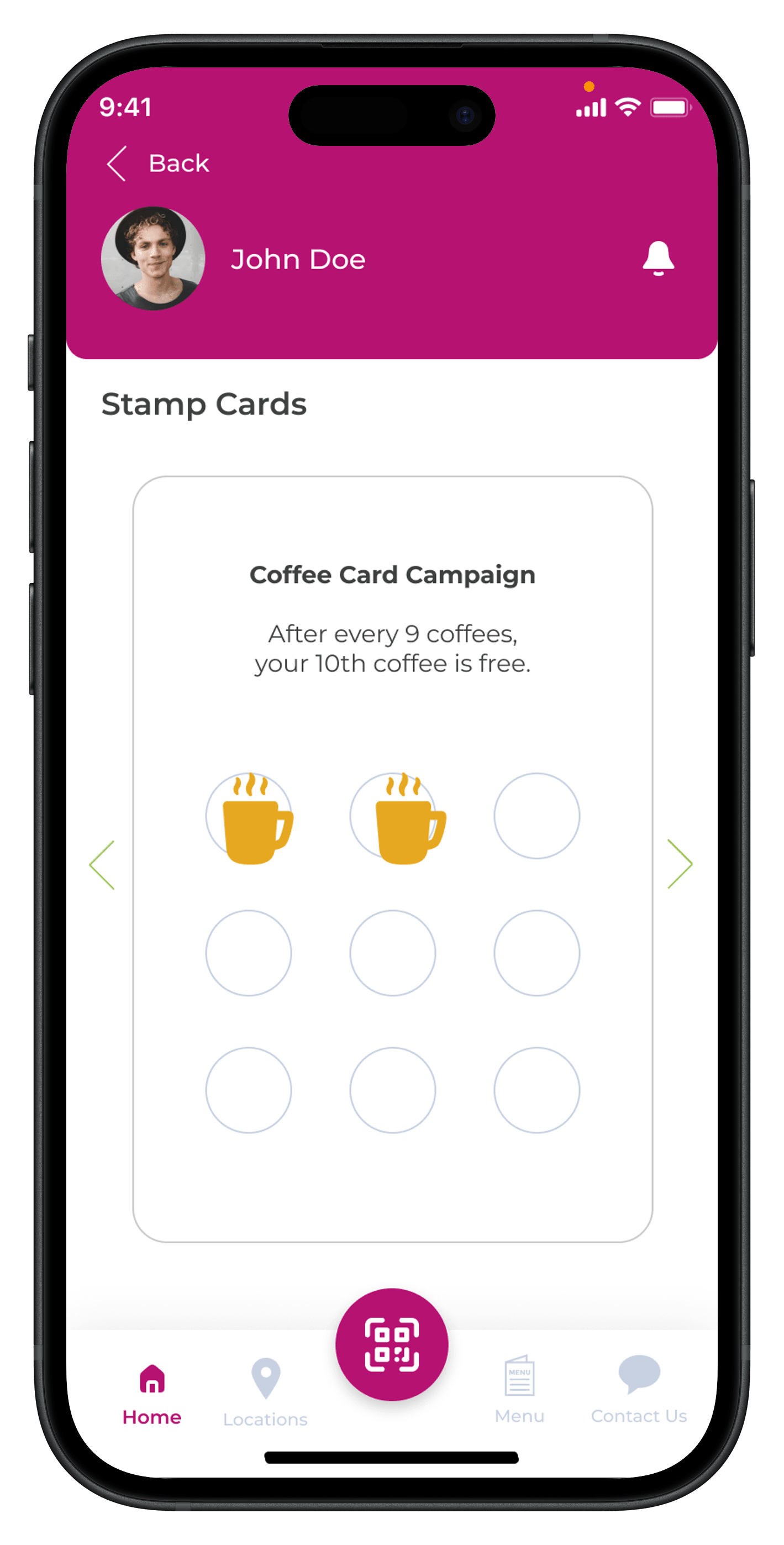
Customers collect stamps as they make qualifying purchases. When they reach the target defined by the business, they can earn the configured reward.
This model is especially useful for businesses where customers naturally return on a regular basis. Coffee shops, restaurants, bakeries, beauty salons and other repeat-visit businesses can use stamp cards to make progress toward the next reward visible.
Why does the stamp card model work so well?
The customer can see that every qualifying purchase moves them closer to a reward. That visible progress makes the loyalty proposition easy to understand without requiring a complicated points calculation.
The reward should match the natural purchase cycle of the business. A coffee shop might reward frequent coffee purchases, while a beauty salon can build a campaign around repeat appointments.
Learn how loyalty cards work2. Turn Happy Customers into Referrals
Repeat customers already know your business. A referral program gives them a structured way to introduce it to someone else while turning word-of-mouth into part of your loyalty strategy.
With Letstamp's Refer a Friend feature, customers can access the invitation experience from the mobile app and create an invitation code that can be shared with friends.
The strength of this model is that it connects customer acquisition with customer loyalty. Instead of treating referrals as a completely separate marketing activity, the existing customer becomes part of the growth loop.
Make referrals easy for existing customers
Referral programs work best when the action required from the customer is clear. Customers should immediately understand how to invite someone and what the campaign offers.
Letstamp provides an in-app invitation area where customers can create and use invitation codes, keeping the referral experience connected to the rest of the loyalty program.
Explore Refer a Friend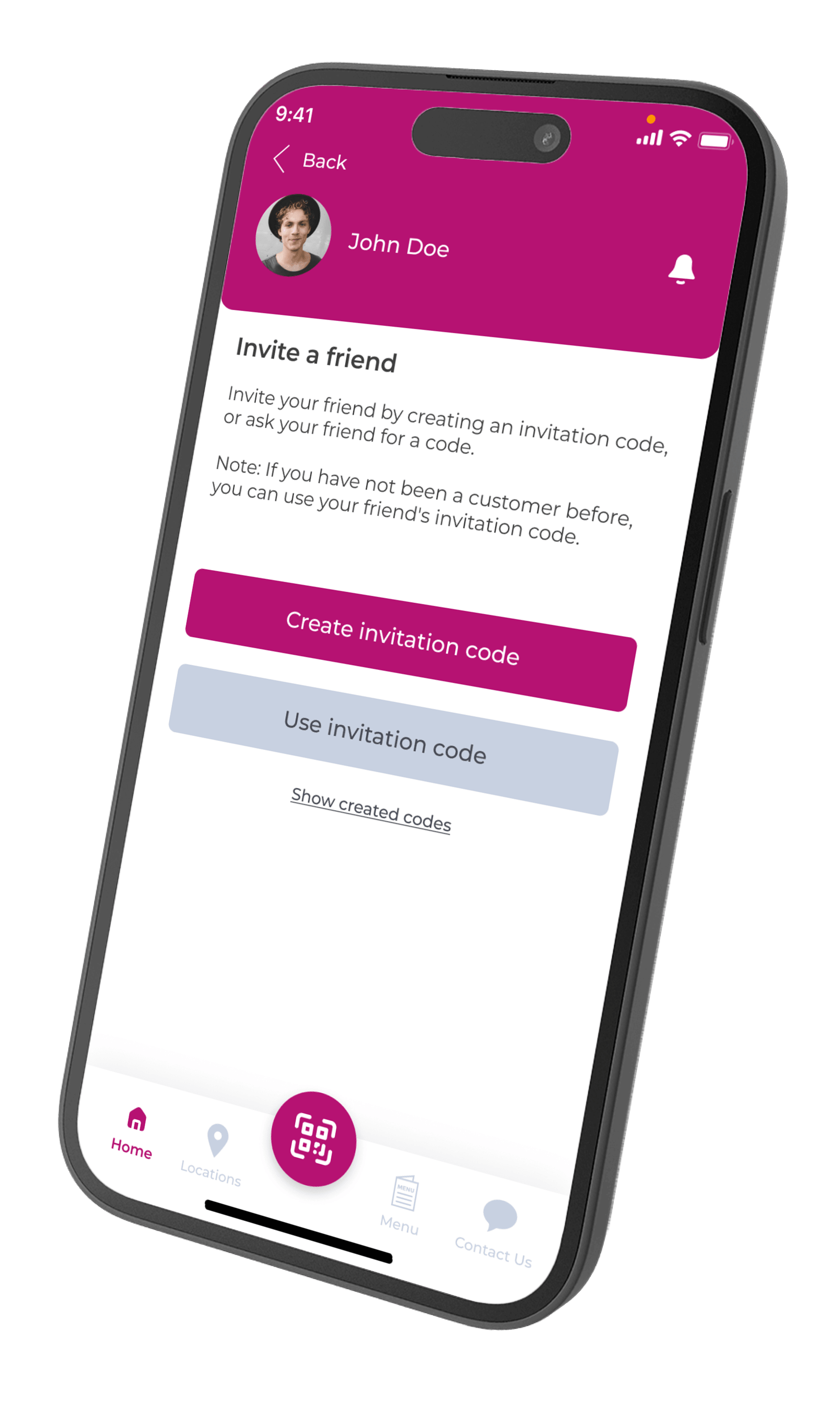
3. Create a Personal Touch with Birthday Campaigns
Not every loyalty interaction needs to begin with a purchase. Customer occasions such as birthdays give businesses another reason to reconnect with people and make the loyalty experience feel more personal.
With Letstamp Birthday Campaigns , businesses can build a birthday-focused reward experience rather than sending the same promotion to every customer.
The reward itself does not need to be complicated. Depending on your business, it could be a gift, a reward card or another benefit that encourages the customer to visit during their birthday period.
Digital Stamp Cards
Best suited to encouraging repeat purchases and regular visits.
Refer a Friend
Turn existing customer relationships into a structured referral channel.
Birthday Campaigns
Create a more personal interaction around an important customer occasion.
How do these three loyalty models compare?
Each model addresses a different part of the customer relationship. The right starting point depends on the behavior you want to encourage.
| Loyalty Model | Main Goal | Customer Action | Best Fit |
|---|---|---|---|
| Digital Stamp Card | Encourage repeat visits | Make qualifying purchases | Businesses with frequent repeat purchases |
| Refer a Friend | Support customer acquisition | Invite another customer | Businesses that benefit from word-of-mouth |
| Birthday Campaign | Create personal engagement | Return around a special occasion | Businesses focused on customer relationships |
You do not have to choose only one model
Customer loyalty is rarely built through one isolated promotion. Different campaigns can address different moments in the customer lifecycle.
A customer might first discover your business through a referral, begin collecting stamps after their first purchase and later receive a birthday reward. Together, these interactions create multiple reasons to stay connected with the business.
You can also combine these models with other Letstamp features. For example, customer segmentation can help you better understand different customer groups, while push notifications and SMS messaging provide additional ways to communicate with customers.
Start with the customer behavior you want to change
Do not select a loyalty model simply because it sounds attractive. First decide what you want customers to do more often: return, refer a friend or engage with your business around an important occasion.
Once that goal is clear, the right campaign model becomes much easier to choose.
Keep the reward simple and easy to understand
Regardless of the campaign type, customers should quickly understand what they need to do, what they can earn and how they can use the reward.
A complicated loyalty mechanic can make a potentially strong campaign harder to understand. Clear conditions and rewards make it easier for customers to decide whether they want to participate.
- Define one primary objective for the campaign.
- Make the required customer action easy to understand.
- Choose a reward that is relevant to your business.
- Keep campaign conditions clear and concise.
- Make sure customers know where they can view their progress or rewards.
- Review campaign performance and adjust future campaigns accordingly.