

In the workplace, high performance shouldn’t just be measured—it needs to be seen and celebrated. Employee rewards serve as a proven method to showcase achievements and reinforce behaviors that drive company success.
When employees exceed sales targets, deliver key projects, elevate customer satisfaction, or lead by example within their team, recognizing and rewarding their efforts forms the backbone of an effective recognition program.
An impactful employee rewards program goes far beyond an annual holiday bonus. A well-crafted system clearly communicates which behaviors earn rewards, the criteria for success, available reward types, and how the program works from day one.
What is an employee rewards program?
An employee rewards program is a structured initiative that provides monetary and non-monetary incentives to team members who achieve set goals, hit performance milestones, or embody company values.
The goal goes beyond handing out perks—it makes the milestones, achievements, and core behaviors the company values crystal clear to every team member.
Why is employee recognition important?
Acknowledging genuine effort is essential for building a thriving company culture centered on appreciation and high morale. When achievements go unnoticed, engagement and alignment with company goals steadily decline over time.
A thoughtfully structured reward system clearly signals which outcomes and contributions matter most. This turns rewards into more than just perks—they become strategic drivers that reinforce performance expectations.
Boosts Motivation
Demonstrating that hard work is noticed directly fuels employee drive to achieve key targets.
Strengthens Retention & Loyalty
Ongoing recognition builds a stronger bond between team members and the organization, elevating workplace engagement.
Drives High Performance
Transparent goals and compelling incentives clarify exactly what outcomes employees need to prioritize.
Spotlights Success
Ensures exceptional work is celebrated publicly across the team, setting a positive benchmark.
Clarifies Strategic Priorities
Well-defined criteria signal to employees which business objectives take top priority.
Cultivates a Culture of Appreciation
Fosters an open, collaborative environment where accomplishments are regularly celebrated.
What are the best types of employee rewards?
Motivation isn't one-size-fits-all. When selecting employee reward methods, organizations should weigh company structure, team demographics, and target business outcomes.
Alongside monetary incentives, effective recognition programs often incorporate peer shoutouts, public praise, extra PTO, and curated experiential perks.
| Reward Method | Example | Best Used For |
|---|---|---|
| Bonuses & Cash Incentives | Performance bonus or target-based commission | Sales targets and quantifiable KPIs |
| Gifts & Perks | Gift cards, vouchers, or company merchandise | Milestone achievements and project completions |
| Additional PTO | Extra day off or flexible work arrangements | Work-life balance and employee wellness initiatives |
| Recognition & Visibility | Company-wide shoutouts, thank-you notes, or Employee of the Month | Reinforcing core values and model workplace behaviors |
| Points-Based System | Earn points for completed tasks, redeemable for rewards | Continuous, gamified, and tiered recognition |
| Experiential Rewards | Professional development courses, events, or team outings | Highly personalized, memorable incentive programs |
How to build an employee rewards program
The foundation of any successful incentive program lies in its mechanics, not just the prizes. If employees don’t understand how rewards are earned, or if goalposts keep shifting, trust in the program quickly erodes.
That’s why launching an effective employee incentive program requires clearly defining objectives, benchmarks, and reward mechanics upfront.
1. Define the program's primary objective
Identify the core business metric you want to drive: sales growth, team collaboration, product quality, or customer satisfaction.
2. Establish clear, measurable criteria
Keep qualification guidelines transparent, attainable, and straightforward for every participant.
3. Select meaningful rewards
Curate a mix of monetary and non-monetary incentives tailored to your workforce demographics.
4. Roll out and communicate clearly
Announce the program, its rules, and how rewards are tracked so everyone starts on equal footing.
5. Track key performance indicators
Regularly monitor adoption rates, target completion metrics, and reward redemption trends.
6. Iterate and optimize
Continuously refine criteria and prize catalogs based on employee feedback and measurable business results.
Examples of employee rewards programs
Every incentive model should align with how your teams actually operate. What motivates an outbound sales team won't necessarily yield the same results on a manufacturing floor or within a professional services firm.
Sales target incentives
Sales teams typically thrive on bonuses, gifts, points, or tier-based perks when hitting monthly or quarterly quotas. Rewarding personal milestone achievements—rather than solely celebrating the top seller—creates a far more inclusive, motivated sales force.
Points-based recognition systems
Employees earn points as they complete designated tasks or meet performance milestones, which can later be redeemed for rewards from a custom catalog.
Rather than relying solely on sporadic annual bonuses, this approach establishes a continuous incentive loop where team members can track their progress in real time. Learn how to define daily and weekly tasks, assign point values, and redeem rewards step by step in our comprehensive guide to task- and points-based employee rewards .
Learn How to Set Up a Task & Points-Based Rewards System
Explore our end-to-end framework for building a modern employee reward system—from defining daily tasks and weekly goals to issuing points, badges, and tangible perks.
Explore the Points System GuideEmployee of the Month programs
The Employee of the Month concept remains a staple in workplace recognition. To make it truly impactful, base awards on transparent, publicly shared criteria rather than subjective managerial preferences.
Team-based milestone rewards
Many business outcomes depend on cross-functional teamwork rather than individual effort. When a department or squad meets a shared goal, collective rewards foster stronger bonds and collaborative habits.
Spot recognition & on-the-spot rewards
Recognition doesn't have to wait for year-end reviews. Immediate spot bonuses or shoutouts for solving critical bottlenecks, receiving glowing client reviews, or stepping up for teammates deliver instant reinforcement.
Reward positive behaviors, not just end results
Don’t limit your recognition program strictly to top-line sales or output metrics. Outstanding customer service, proactive teamwork, creative problem-solving, quality adherence, and living company values deserve equal celebration.
How employee recognition varies across industries
Because daily workflows and success metrics differ by industry, incentive programs must be tailored to the specific operational environment.
For example, employee rewards for manufacturing facilities typically prioritize defect-free production, safety milestones, process improvements, and shift reliability.
In contrast, employee recognition in retail stores focuses on upsell benchmarks, store conversion rates, and positive customer feedback.
Professional services also require specialized approaches tailored to project lifecycles. Check out our dedicated guide on lawyer reward systems for law offices to see industry-specific use cases in action.
Monetary vs. non-monetary rewards: Which works better?
Monetary and non-monetary incentives shouldn't be treated as mutually exclusive. The most effective employee recognition frameworks combine both seamlessly.
While cash bonuses, gift cards, and tangible perks offer strong extrinsic motivation, genuine praise from leadership, public peer shoutouts, and personal recognition fulfill essential intrinsic emotional needs.
Because the ideal balance depends on your company demographics, continuously gathering employee feedback is key to evolving your rewards catalog.
Common mistakes in employee rewards programs
A fair, transparent system is just as crucial as the rewards themselves. Ambiguous criteria and moving targets will quickly undermine team trust and engagement.
- Leaving qualification rules vague or subjective
- Setting unrealistic, unattainable performance targets
- Relying on a one-size-fits-all reward catalog
- Treating recognition as a temporary campaign rather than a continuous culture
- Overlooking direct feedback from employees
- Failing to maintain consistency and fairness across departments
Why use a digital employee rewards platform?
As your team scales, managing spreadsheets and manual tracking becomes unmanageable. Keeping tabs on who hit which KPI, tracking points balances, and managing fulfillment requires a scalable, centralized platform.
A digital employee rewards platform streamlines gamification, point tracking, and reward redemptions. Centralizing recognition into one clean interface reduces administrative overhead and keeps teams engaged.
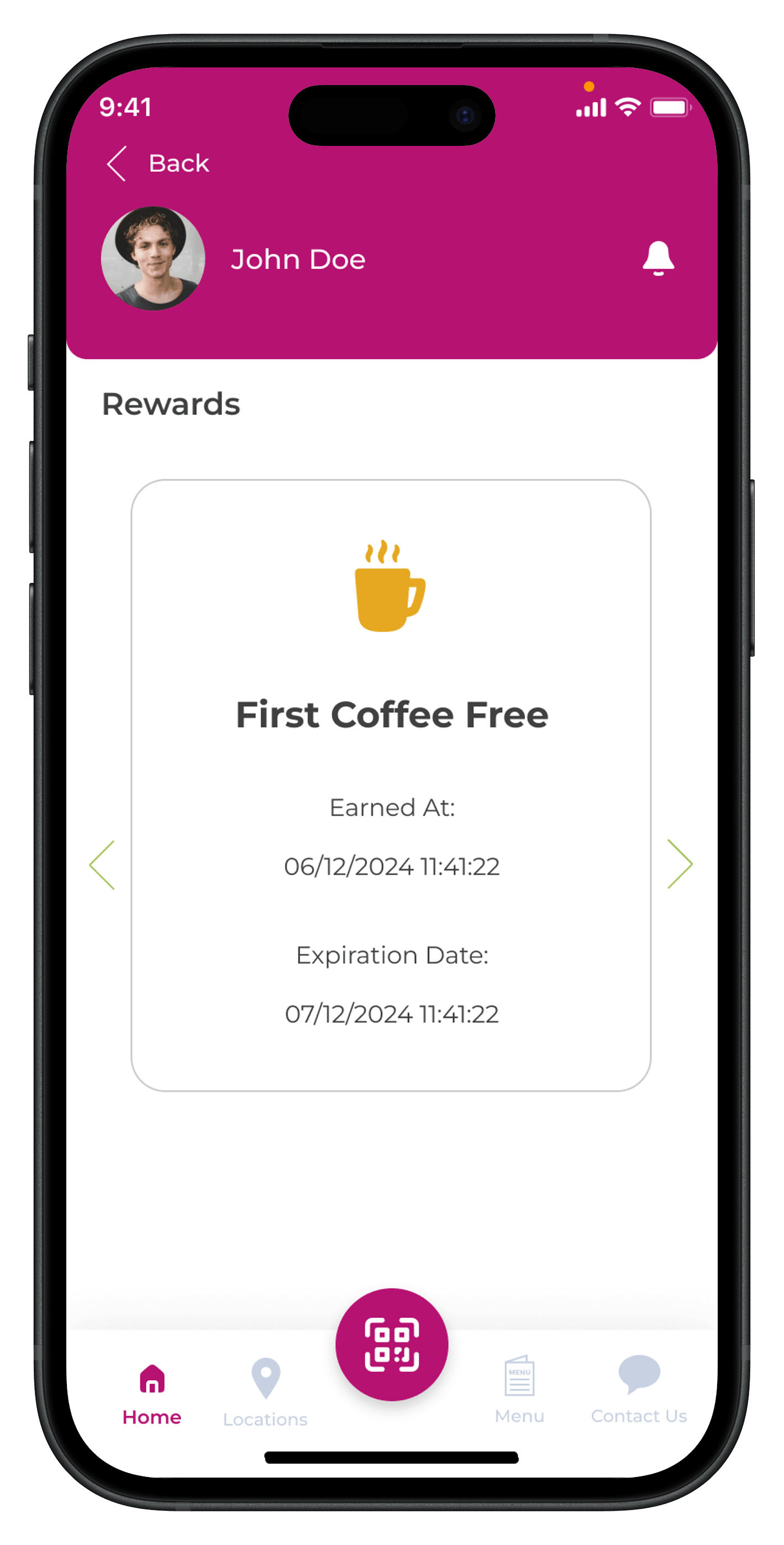
Make Earned Rewards Instantly Visible and Redeemable
Providing employees with a real-time digital wallet to view their points and unlocked perks makes the recognition experience immediate and rewarding.
Through the Letstamp app, team members can view active rewards, track progress, and redeem perks on demand—giving HR and business owners a turnkey tool to manage any workplace incentive program digitally.
How to measure the ROI of an employee rewards program
Evaluating program success goes far beyond tallying up rewards handed out. You need to measure tangible impact against the original business objectives set at launch.
Key metrics to track include employee participation rates, target completion velocity, perk redemption ratios, team retention, and overall employee pulse scores.
By tracking these indicators, your rewards initiative evolves from a simple perk budget into a measurable, high-ROI business driver that powers bottom-line performance.
FAQs About Employee Rewards & Recognition
Build Your Custom Employee Rewards Program
Define targets, assign rewards, and effortlessly manage your team's recognition program digitally with Letstamp.