
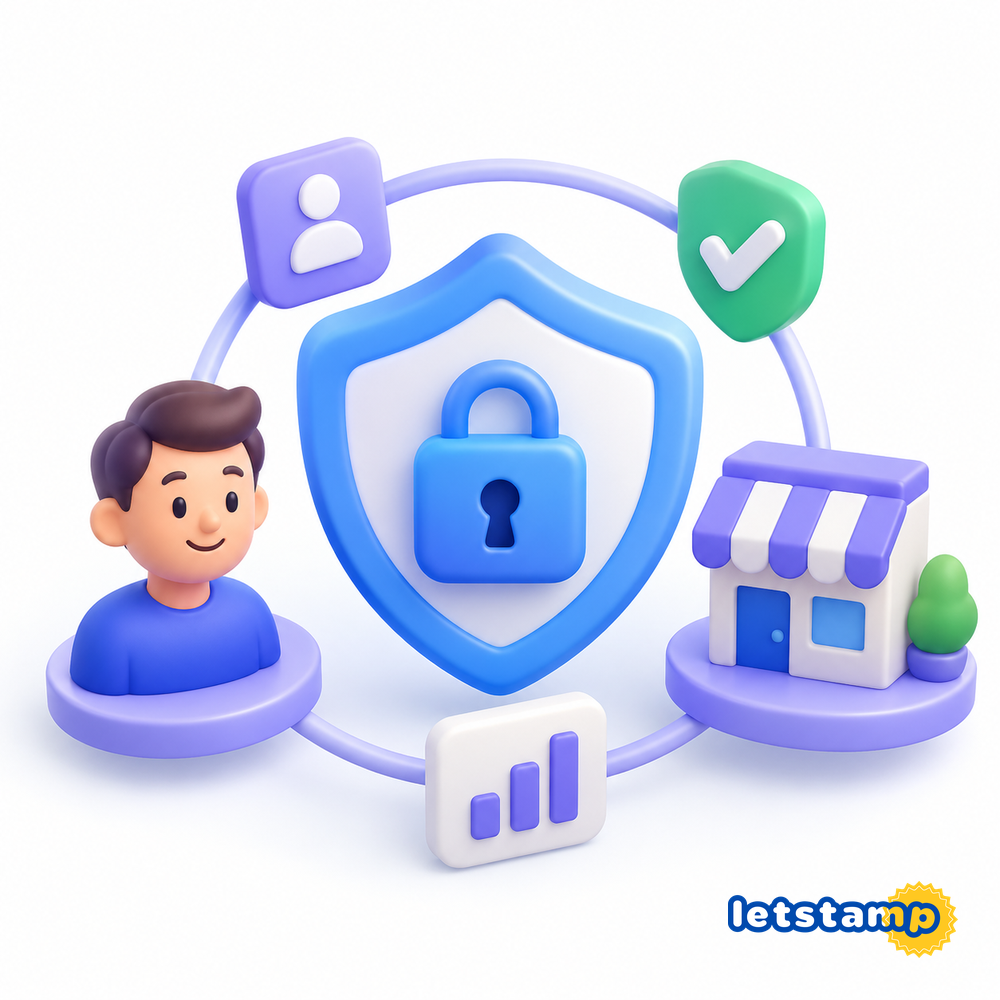
When a business introduces a digital loyalty program, customers are being asked to interact with a new digital service while the business is relying on that service to manage campaigns, rewards and customer activity. That makes trust, privacy and operational control important parts of the decision.
Letstamp is designed to give businesses practical control over their loyalty activity while giving customers a clear mobile experience for accessing their cards, rewards and transactions. Businesses can manage customers, campaigns, branches and authorized users through Letstamp Partners, while customers interact with their loyalty experience through the mobile application.
Customers who want to understand how that experience works can also read how customers use Letstamp , while businesses can review how Letstamp is used in day-to-day business operations .
What should you look for when deciding whether to trust a loyalty platform?
Look beyond a simple claim that a platform is “secure.” Consider how customers access their accounts, how transactions are performed, who can operate the business account, what customer information the business can manage and whether privacy information is available to users.
Letstamp supports these day-to-day requirements with phone-based customer access, transaction codes and QR codes, customer and user management, branch-level operational controls and accessible privacy information.
Trust starts with a clear customer account experience
Customers should know which account they are using when they interact with a digital loyalty program. In the Letstamp mobile experience, customer access includes entering a phone number and completing a verification step.
Once inside the app, customers can access the loyalty information relevant to them, including active stamp cards, rewards and other supported loyalty activity. This is considerably easier to understand than a loyalty process in which the customer has no clear view of what they have earned.
Loyalty transactions are connected to the customer's app
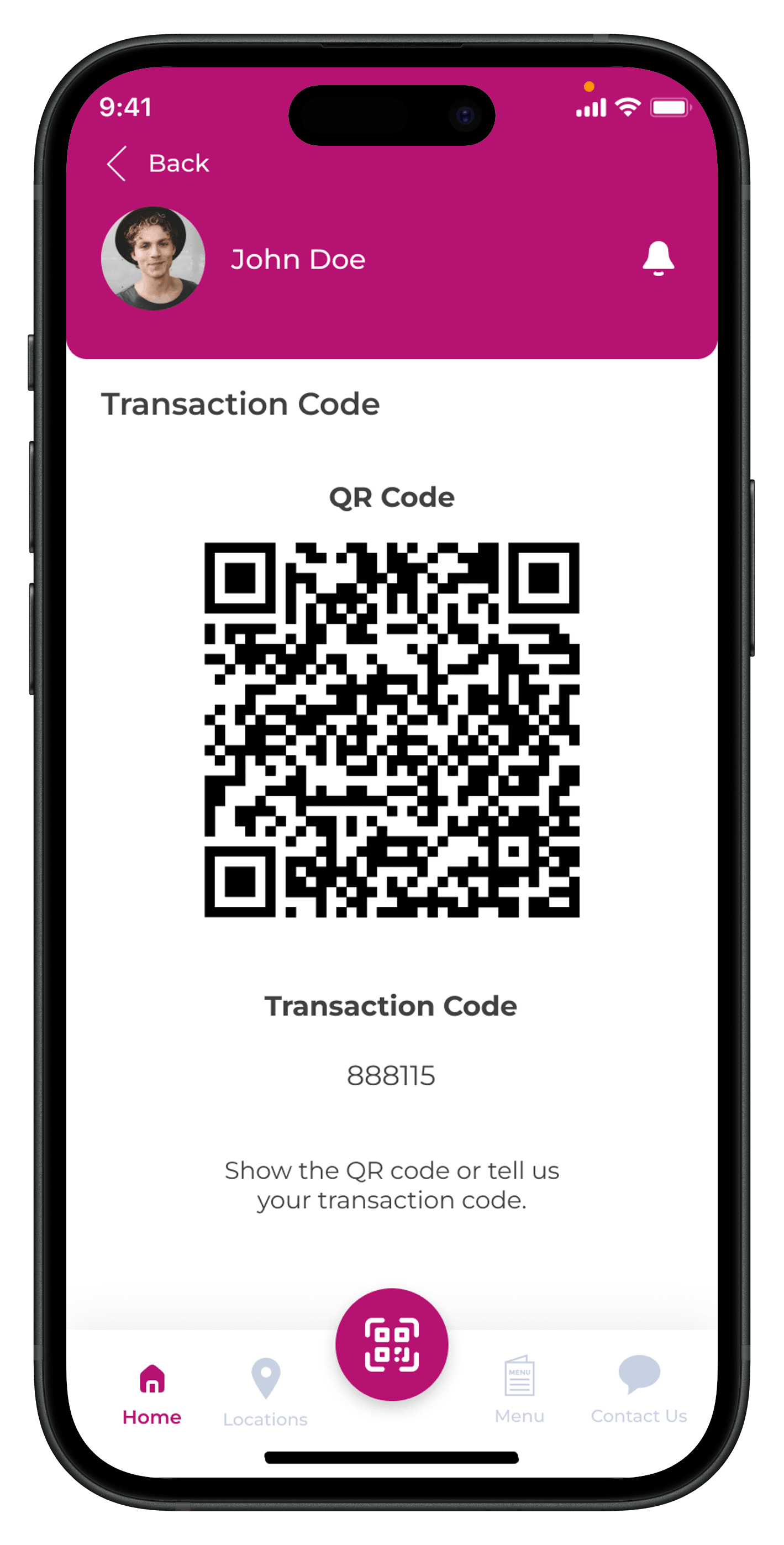
For manual stamp and Reward Points transactions, the business can ask for the transaction code displayed on the customer's phone or scan the customer's QR code before processing the transaction in Letstamp Partners.
Depending on the transaction, the business can then add stamps, add Reward Points, redeem points or redeem an available reward. This gives both sides a structured digital workflow rather than relying on an informal record of loyalty activity.
Learn more about mobile loyalty cardsBusinesses need control over who can operate the loyalty program
Customer-facing trust is only one part of the picture. A business also needs operational control behind the scenes, especially when multiple employees or branches participate in the loyalty program.
Letstamp's user management tools allow businesses to view users who can use the business side of the platform, create employee accounts and define branch-specific sub-users. This makes it possible to organize loyalty operations around the people who actually need to perform transactions.
Branch management provides another layer of operational structure. Businesses can add and edit branches, obtain QR codes for promoting campaigns and manage loyalty activity across their locations.
Businesses can review and manage customer loyalty activity
A trustworthy loyalty operation also requires visibility. Letstamp's customer management tools allow businesses to view and filter customers, access customer details and review customer profiles.
Businesses can also view a customer's rewards and Reward Points. Reward Points and reward tabs provide visibility into customer earnings, and unused rewards can be removed when necessary.
These capabilities are important because loyalty programs are not just promotional messages. They involve real campaign rules, reward balances and customer interactions that businesses need to manage consistently.
Customers can see the rewards associated with their account
Transparency matters on the customer side as well. Customers can use the Letstamp mobile experience to view their active stamp cards and rewards instead of relying only on the business to tell them what they have earned.
A digital loyalty record customers can access
The Letstamp Platform app provides customers with access to their loyalty experience from their phone. Supported screens include QR code access, stamp cards, stamp card details, rewards and cashback transactions.
Giving customers a visible digital record makes it easier for them to understand what they have earned and what is currently available in their account.
Explore Letstamp Platform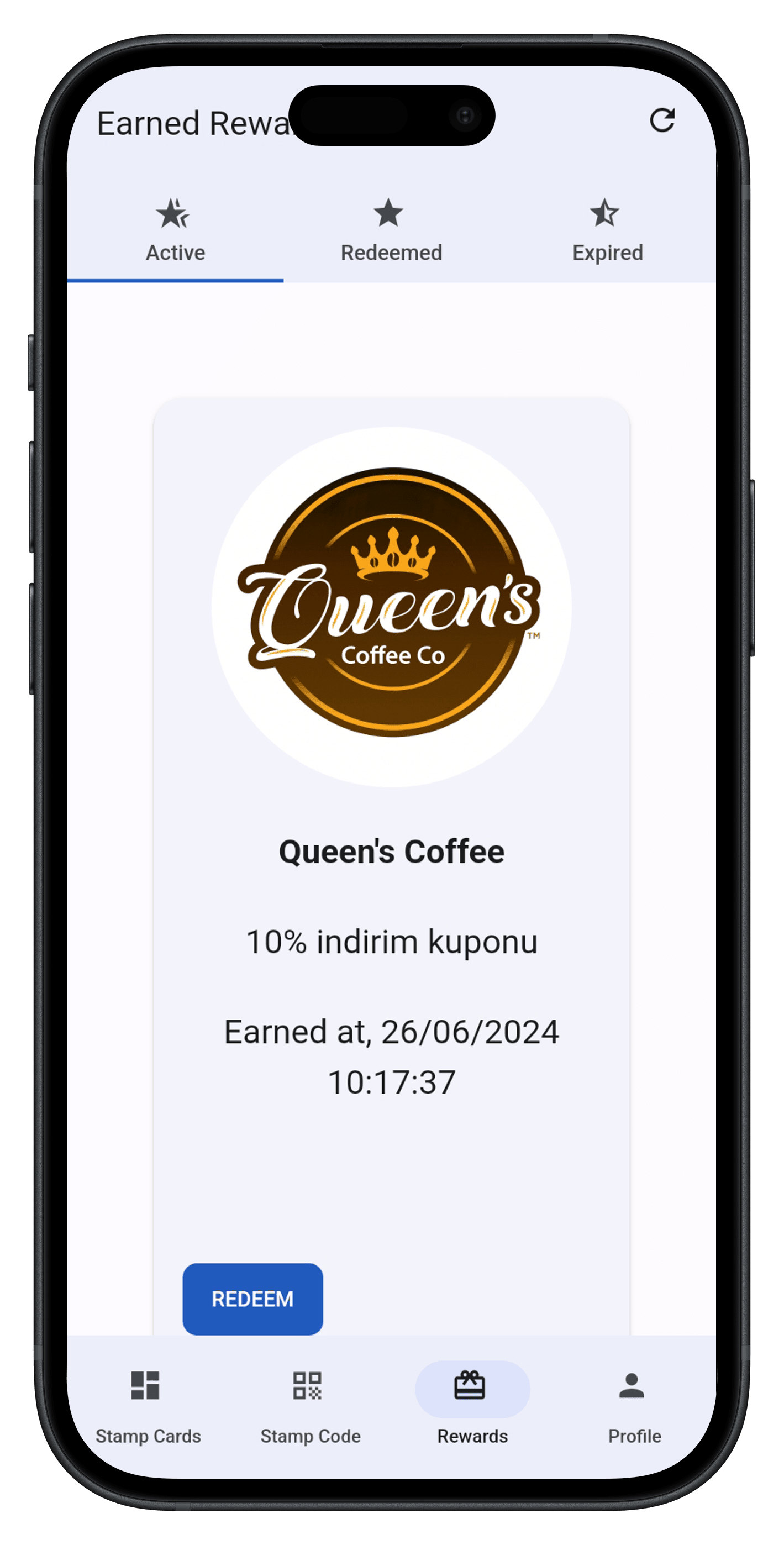
Privacy information should be easy to find
Trust also requires transparency about personal information. Businesses evaluating any loyalty technology should review its privacy documentation rather than relying on broad marketing statements about data protection.
Letstamp publishes an English Privacy Policy where customers and businesses can review information about privacy and data handling. The Terms and Conditions provide additional information about use of the service.
Trust also depends on how the business configures its program
Platform technology is only one part of a reliable customer experience. Businesses are also responsible for configuring loyalty campaigns clearly and operating them consistently.
For example, Letstamp campaigns can include settings such as campaign descriptions, expiration conditions, reward descriptions and reward expiration periods. Depending on the campaign type, businesses may also configure earning conditions, usage frequency, eligible branches and other campaign-specific rules.
Clear campaign descriptions are especially important. Customers should be able to understand what they need to do, what they can earn and whether a reward has an expiration period or other usage conditions. If you are building a loyalty program for the first time, see our guide to setting up customer loyalty with Letstamp .
A practical trust checklist for businesses
Before launching a digital loyalty program, review both the platform and your own operating process.
- Review the platform's privacy policy and terms.
- Decide which employees should have access to loyalty operations.
- Configure branch-specific users where appropriate.
- Write clear campaign and reward descriptions.
- Define expiration rules where your campaign requires them.
- Make sure employees understand the QR code or transaction-code workflow.
- Check that customers can understand where to find their cards and rewards.
Why trust matters for customer loyalty
A loyalty program asks customers to build an ongoing digital relationship with a business. They may return to check a stamp card, use Reward Points, redeem a reward or participate in another campaign. That repeated interaction works best when the experience is clear and predictable.
For businesses, the same principle applies operationally. Teams need to know who can perform transactions, how customer activity can be reviewed and how campaign rules are configured.
Security and trust therefore should not be reduced to a single badge or marketing claim. They should be evaluated across the complete loyalty experience: customer access, transaction workflows, employee access, customer visibility, campaign configuration and privacy transparency.